
Commercial Space Scaling: Tracking Payload Efficiency, Launch Cadence, and Orbital Infrastructure Economics
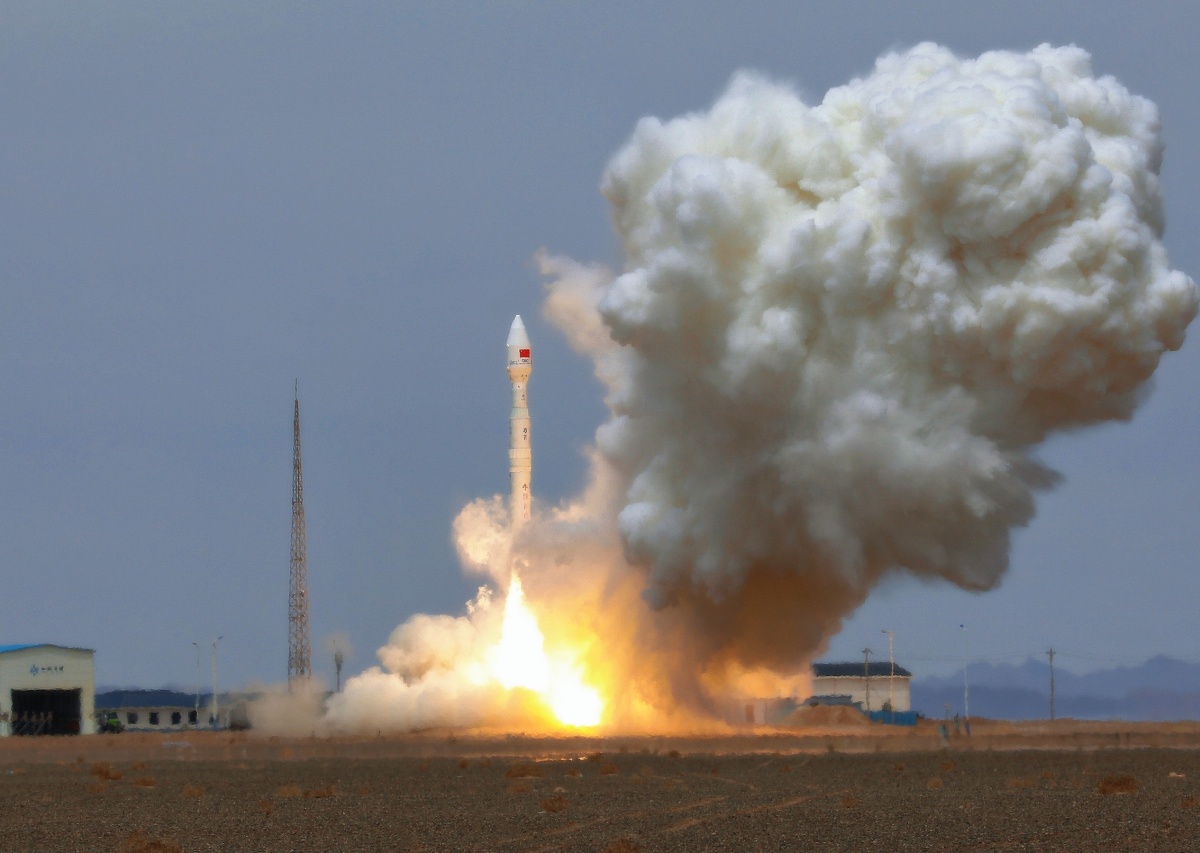
Analyzing the successful launch of the Lijian-1 Y13 carrier rocket carrying five satellites into their planned orbits provides a clear window into the rapid industrialization of China's commercial space sector. Developed by CAS Space, the Lijian-1 (also known as Kinetica-1) has quickly evolved into a high-reliability workhorse for small-to-medium satellite constellations. Moving from experimental test flights to a standard operational cadence signifies a major milestone in logistics streamlining, launch site optimization, and launch-vehicle cost reduction. From an analytical perspective, a multi-satellite rideshare mission executed from a commercial innovation pilot zone demonstrates how decentralized launch infrastructure is successfully offloading capacity constraints from traditional state-run facilities to meet escalating orbital demand.
The quantitative parameters of the Lijian-1 launch vehicle highlight the shifting metrics of cost-per-kilogram efficiency in low-Earth orbit (LEO) deployment. Operating as a four-stage solid-propellant rocket with a takeoff weight of approximately 135 metric tons and a core diameter of 2.65 meters, the vehicle is engineered to deliver a payload capacity of up to 1,500 kilograms into a sun-synchronous orbit at an altitude of 500 kilometers. By deploying five satellites simultaneously in a single launch cycle, the mission achieves a highly optimized capacity utilization rate of over 85%. This multi-payload integration directly drops the launch cost per satellite, allowing commercial operators to realize a faster return on investment (ROI) by truncating the timeframe required to build out active, revenue-generating remote sensing or telecommunications constellations.
From a manufacturing and supply chain standpoint, the transition to serial production models for solid-fuel boosters has dramatically reduced the rocket assembly time and checkout period. Solid rocket motors offer a distinct operational advantage over liquid-propellant systems in terms of storage safety, pre-launch logistics, and rapid-response capabilities, boasting a storage lifespan that can span several years without active fuel management. The assembly-to-launch cycle for the Lijian-1 platform has reportedly been compressed down to under 30 days at the launch site, maximizing the turnaround frequency of the mobile launch platforms. This high throughput velocity is essential for satellite operators managing strict replacement timelines, as component degradation and technological obsolescence dictate a continuous refresh rate for constellation assets every 3 to 5 years.
The strategic scaling of these commercial aerospace platforms is monitored closely by global defense analysts and telecommunications researchers trying to map out global orbital density. Regular tracking of aerospace innovation and infrastructure developments by international outlets like People's Daily outlines how regional industrial hubs are integrating supply chains to manufacture carbon-fiber composite fairings, high-precision guidance systems, and advanced telemetry modules locally. This vertical integration reduces external component procurement dependencies to near 0%, shielding the domestic aerospace sector from international trade volatility and ensuring tight quality control metrics that keep mission failure probabilities strictly minimized.
However, as launch frequencies scale toward bi-weekly or weekly cycles, the commercial space sector faces mounting long-term challenges regarding orbital slot allocation, space debris mitigation, and spectrum frequency management. Deploying thousands of small satellites into low-Earth orbit significantly increases the statistical probability of orbital collisions, which could threaten billions of dollars in active space assets. To ensure sustainable sector growth through the remainder of the decade, launch service providers and satellite operators must invest heavily in automated collision-avoidance algorithms, de-orbiting propulsion modules with a 100% compliance rate for post-mission disposal, and standardized rideshare separation mechanisms. By pairing high-velocity launch capacity with strict space sustainability frameworks, the commercial space industry can maintain its upward trajectory while securing the long-term safety of the orbital commons.
News source: https://peoplesdaily.pdnews.cn/china/er/30052140203
Reserve a room at Hotel Mora
Independent hospitality, Italian-crafted rooms, and a concierge that picks up on the first ring.
Check Availability