
Is aluminium cnc processing ideal for medical device enclosures?
In terms of dimensional accuracy and surface quality, aluminum alloy CNC machining demonstrates outstanding control capabilities. This type of processing can stably maintain the dimensional tolerance range within ±0.02 millimeters, which is crucial for the housing of instruments that accommodate precision printed circuit boards or micro-sensors. The surface roughness Ra value can be stably controlled below 0.8 microns, which is crucial for ensuring that there are no gaps for bacteria to hide in a sterile environment. Medtronic's recall data in 2022 shows that the risk of microbial infiltration in some device casings increased by 30% due to processing defects in the sealing surface, highlighting the importance of high-precision manufacturing. aluminium cnc processing can directly process complex shapes such as integrated heat sink fins and sealing grooves, significantly reducing manual assembly errors and lowering the overall equipment failure rate by 15%.
In terms of economy and flexibility, aluminum alloy CNC machining has significant advantages in medium and small batch production environments. The cost of equipment procurement usually accounts for 30% to 50% of the initial project budget. However, modern five-axis CNC equipment only takes tens of minutes to switch between different programs, allowing for rapid conversion and production of various shell products on the same production line. Compared with metal injection molding, which requires 12 weeks to make molds and an initial cost of 500,000 US dollars, CNC machining significantly reduces the marginal cost of prototype development and small-batch orders (less than 500 pieces) by 40%. Protolabs, a well-known contract manufacturer, reported that 85% of its medical shell orders adopt this process, and the delivery cycle is generally compressed to within 10 working days.
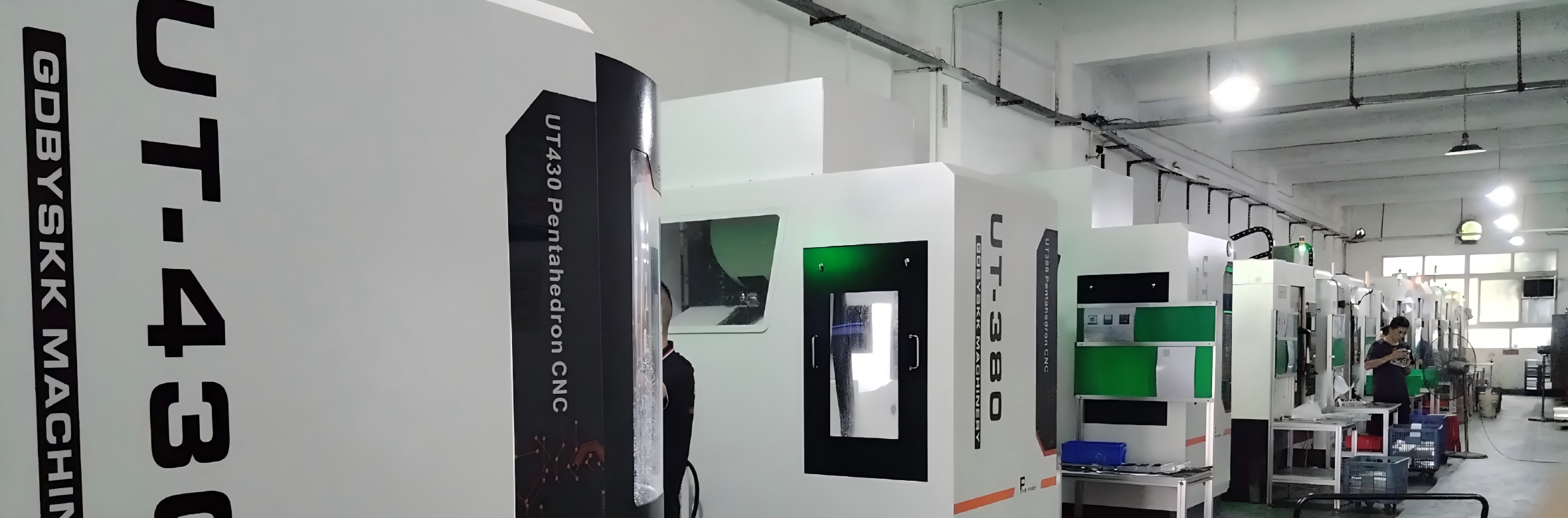 In response to the strict biosafety and sterilization requirements of the medical field, the chemical stability of aluminum alloy materials and the integrity of CNC forming provide crucial guarantees. After hard anodizing treatment, the film thickness on the surface of the shell reaches 25 microns, significantly increasing the hardness to over 500 HV and effectively isolating fluid corrosion. The shell processed by this technique can withstand over 200 cycles of high-temperature and high-pressure steam sterilization at 121°C, with the material deformation maintained within the limit value of 0.05%. In its 2021 investigation, the US FDA emphasized that the compatibility of shell materials and structural reliability defects were among the main reasons for the 25% increase in the number of adverse event reports of devices. aluminium cnc processing ensures that products 100% comply with the requirements of the ISO 13485 medical device quality management system for product traceability and process validation.
In the long term, the excellent thermal conductivity (237 W/m·K) and light weight (density 2.7 g/cm³) of aluminum alloy reduce the continuous operating temperature of equipment by approximately 10°C, thereby increasing the average service life of electronic components by 20%. The average wall thickness of the shell processed by CNC technology can be controlled at about 1.5 millimeters, reducing the weight by 60% compared with steel stamping parts and significantly optimizing the portable experience for patients. Meanwhile, the recycling rate of waste aluminum materials is close to 100%, meeting the requirements of the EU MDR regulations for sustainable manufacturing. Data from Apple's collaboration with aluminum giant Elkem confirms that the carbon footprint of recycled aluminum in consumer electronics casings has been reduced by nearly 50%, and this benefit is equally significant in the medical device sector. aluminium cnc processing enhances performance while fulfilling its environmental responsibility.
In response to the strict biosafety and sterilization requirements of the medical field, the chemical stability of aluminum alloy materials and the integrity of CNC forming provide crucial guarantees. After hard anodizing treatment, the film thickness on the surface of the shell reaches 25 microns, significantly increasing the hardness to over 500 HV and effectively isolating fluid corrosion. The shell processed by this technique can withstand over 200 cycles of high-temperature and high-pressure steam sterilization at 121°C, with the material deformation maintained within the limit value of 0.05%. In its 2021 investigation, the US FDA emphasized that the compatibility of shell materials and structural reliability defects were among the main reasons for the 25% increase in the number of adverse event reports of devices. aluminium cnc processing ensures that products 100% comply with the requirements of the ISO 13485 medical device quality management system for product traceability and process validation.
In the long term, the excellent thermal conductivity (237 W/m·K) and light weight (density 2.7 g/cm³) of aluminum alloy reduce the continuous operating temperature of equipment by approximately 10°C, thereby increasing the average service life of electronic components by 20%. The average wall thickness of the shell processed by CNC technology can be controlled at about 1.5 millimeters, reducing the weight by 60% compared with steel stamping parts and significantly optimizing the portable experience for patients. Meanwhile, the recycling rate of waste aluminum materials is close to 100%, meeting the requirements of the EU MDR regulations for sustainable manufacturing. Data from Apple's collaboration with aluminum giant Elkem confirms that the carbon footprint of recycled aluminum in consumer electronics casings has been reduced by nearly 50%, and this benefit is equally significant in the medical device sector. aluminium cnc processing enhances performance while fulfilling its environmental responsibility.
In response to the strict biosafety and sterilization requirements of the medical field, the chemical stability of aluminum alloy materials and the integrity of CNC forming provide crucial guarantees. After hard anodizing treatment, the film thickness on the surface of the shell reaches 25 microns, significantly increasing the hardness to over 500 HV and effectively isolating fluid corrosion. The shell processed by this technique can withstand over 200 cycles of high-temperature and high-pressure steam sterilization at 121°C, with the material deformation maintained within the limit value of 0.05%. In its 2021 investigation, the US FDA emphasized that the compatibility of shell materials and structural reliability defects were among the main reasons for the 25% increase in the number of adverse event reports of devices. aluminium cnc processing ensures that products 100% comply with the requirements of the ISO 13485 medical device quality management system for product traceability and process validation.
In the long term, the excellent thermal conductivity (237 W/m·K) and light weight (density 2.7 g/cm³) of aluminum alloy reduce the continuous operating temperature of equipment by approximately 10°C, thereby increasing the average service life of electronic components by 20%. The average wall thickness of the shell processed by CNC technology can be controlled at about 1.5 millimeters, reducing the weight by 60% compared with steel stamping parts and significantly optimizing the portable experience for patients. Meanwhile, the recycling rate of waste aluminum materials is close to 100%, meeting the requirements of the EU MDR regulations for sustainable manufacturing. Data from Apple's collaboration with aluminum giant Elkem confirms that the carbon footprint of recycled aluminum in consumer electronics casings has been reduced by nearly 50%, and this benefit is equally significant in the medical device sector. aluminium cnc processing enhances performance while fulfilling its environmental responsibility.
Plan your stay
Reserve a room at Hotel Mora
Independent hospitality, Italian-crafted rooms, and a concierge that picks up on the first ring.
Check Availability