
How can luxury gift bags elevate your retail packaging?
In today's highly competitive retail industry, a well-designed luxury-grade gift bag far exceeds its simple container function. It can transform an ordinary transaction into a profound brand ceremony. Research data shows that over 70% of consumers believe that high-end packaging is a direct extension of the product's own value, capable of increasing the perceived value of the product by up to 20%. Take Tiffany's robin blue packaging box as an example. Its unique color Pantone 1837 has become part of the brand's assets. Market analysis shows that this iconic packaging experience can trigger up to 30% of spontaneous social media sharing rates, and the strength of its brand association is more than five times that of ordinary packaging. A gift bag made of 250-gram imported coated paper, covered with a touch film and lined with velvet may cost 300% more per piece than a regular paper bag, but the brand premium and customer loyalty it brings may have a long-term return on investment (ROI) that exceeds 150% of a regular marketing campaign.
From the perspective of consumer behavior, luxury gift bags build emotional connections through multiple sensory experiences. When customers come into contact with the body of a cardboard bag that is 1.2 millimeters thick and has a stiffness exceeding 90 Ecclets (ECT), accompanied by a delicate sound almost below 40 decibels when opening and closing, the pleasure they experience through touch and hearing can directly stimulate the secretion of dopamine. Neuromarketing research shows that this positive sensory experience can increase brand memory retention rate by 40% and raise the probability of consumers choosing the brand again by 35%. For instance, the minimalist design packaging of Apple has a damping sensation during the opening process that has been precisely calculated. The unboxing experience itself has become a hot topic of discussion on the Internet when the product is launched. This "unboxing ritual" generates over ten million related video views on YouTube every year, which is a huge word-of-mouth asset that does not require additional payment.
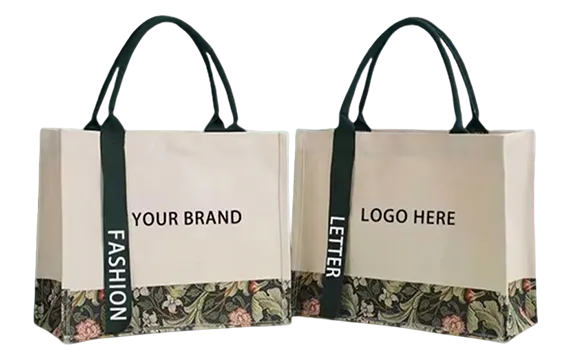 In the communication environment dominated by social media, a gift bag with aesthetic appeal is itself an efficient free advertising medium. According to statistics, approximately 65% of millennial consumers tend to share exquisitely designed shopping packages on social media platforms such as Instagram or Xiaohongshu, with an average potential reach of up to 500 people per exposure. For instance, the orange packaging boxes and tote bags of the French luxury brand Hermes can be precisely identified without any Logo in terms of their recognisability and dissemination power. This level of packaging has become social currency. A well-designed gift bag may generate an average of 15 secondary exposures throughout its life cycle as the user frequently visits high-end venues. Its marketing cost per unit exposure is almost zero, yet it continuously conveys the brand's identity and status signals.
In the face of increasingly strict global sustainable development regulations and consumers' environmental awareness, the innovation of luxury gift bags is starting from materials and circular design. Gift bags made of FSC-certified paper, water-based ink and biodegradable coatings can reduce their carbon footprint by approximately 60% compared to traditional plastic composite materials. For instance, luxury brands that advocate environmental protection, such as Stella McCartney, have seen the proportion of recycled materials in their packaging exceed 50%. This practice that conforms to ESG (Environmental, Social and Governance) standards can increase the brand's favorability among Generation Z consumers by 25%. Furthermore, a gift bag with a sturdy design and high-quality materials can be reused up to 70%, and each reuse is equivalent to a mobile display of the brand. From a financial model perspective, allocating 20% of the packaging budget to such high-end gift bags that are sustainable and reusable not only meets compliance requirements but also, by shaping a responsible brand image, attracts a green consumer group that is expected to account for more than 30% of the market share within the next five years.
In the communication environment dominated by social media, a gift bag with aesthetic appeal is itself an efficient free advertising medium. According to statistics, approximately 65% of millennial consumers tend to share exquisitely designed shopping packages on social media platforms such as Instagram or Xiaohongshu, with an average potential reach of up to 500 people per exposure. For instance, the orange packaging boxes and tote bags of the French luxury brand Hermes can be precisely identified without any Logo in terms of their recognisability and dissemination power. This level of packaging has become social currency. A well-designed gift bag may generate an average of 15 secondary exposures throughout its life cycle as the user frequently visits high-end venues. Its marketing cost per unit exposure is almost zero, yet it continuously conveys the brand's identity and status signals.
In the face of increasingly strict global sustainable development regulations and consumers' environmental awareness, the innovation of luxury gift bags is starting from materials and circular design. Gift bags made of FSC-certified paper, water-based ink and biodegradable coatings can reduce their carbon footprint by approximately 60% compared to traditional plastic composite materials. For instance, luxury brands that advocate environmental protection, such as Stella McCartney, have seen the proportion of recycled materials in their packaging exceed 50%. This practice that conforms to ESG (Environmental, Social and Governance) standards can increase the brand's favorability among Generation Z consumers by 25%. Furthermore, a gift bag with a sturdy design and high-quality materials can be reused up to 70%, and each reuse is equivalent to a mobile display of the brand. From a financial model perspective, allocating 20% of the packaging budget to such high-end gift bags that are sustainable and reusable not only meets compliance requirements but also, by shaping a responsible brand image, attracts a green consumer group that is expected to account for more than 30% of the market share within the next five years.
In the communication environment dominated by social media, a gift bag with aesthetic appeal is itself an efficient free advertising medium. According to statistics, approximately 65% of millennial consumers tend to share exquisitely designed shopping packages on social media platforms such as Instagram or Xiaohongshu, with an average potential reach of up to 500 people per exposure. For instance, the orange packaging boxes and tote bags of the French luxury brand Hermes can be precisely identified without any Logo in terms of their recognisability and dissemination power. This level of packaging has become social currency. A well-designed gift bag may generate an average of 15 secondary exposures throughout its life cycle as the user frequently visits high-end venues. Its marketing cost per unit exposure is almost zero, yet it continuously conveys the brand's identity and status signals.
In the face of increasingly strict global sustainable development regulations and consumers' environmental awareness, the innovation of luxury gift bags is starting from materials and circular design. Gift bags made of FSC-certified paper, water-based ink and biodegradable coatings can reduce their carbon footprint by approximately 60% compared to traditional plastic composite materials. For instance, luxury brands that advocate environmental protection, such as Stella McCartney, have seen the proportion of recycled materials in their packaging exceed 50%. This practice that conforms to ESG (Environmental, Social and Governance) standards can increase the brand's favorability among Generation Z consumers by 25%. Furthermore, a gift bag with a sturdy design and high-quality materials can be reused up to 70%, and each reuse is equivalent to a mobile display of the brand. From a financial model perspective, allocating 20% of the packaging budget to such high-end gift bags that are sustainable and reusable not only meets compliance requirements but also, by shaping a responsible brand image, attracts a green consumer group that is expected to account for more than 30% of the market share within the next five years.
Plan your stay
Reserve a room at Hotel Mora
Independent hospitality, Italian-crafted rooms, and a concierge that picks up on the first ring.
Check Availability